
Methylcyclopentadienyl Manganese Tricarbonyl (MMT, CAS 12108-13-3) is a dark orange, herb-scented liquid used primarily as a gasoline additive. Slightly soluble in water, it functions as an antiknock agent and octane enhancer, improving fuel performance while reducing smoke emissions.
|
Property
|
Details
|
|
Chemical Formula
|
C₉H₇MnO₃
|
|
CAS Number
|
12108-13-3
|
|
Molecular Weight
|
218.09 g/mol
|
|
Appearance
|
Orange-yellow liquid
|
|
Boiling Point
|
232–233 °C
|
|
Solubility
|
Insoluble in water; soluble in hydrocarbons (gasoline), alcohols, and ether
|
Primary Application: Fuel Additive
Octane Booster: Adding small amounts of MMT (e.g., roughly 0.01% concentration) can increase the octane number of gasoline by 2–3 units. This allows refineries to produce high-quality fuel that meets market standards without relying on lead.
Mechanism: During combustion, MMT decomposes into active manganese oxide particles. These particles interfere with the formation of peroxides in the engine, preventing premature ignition (knocking).
Replacement for Lead: It serves as a replacement for tetraethyllead. Compared to other manganese additives like CMT, MMT has better solubility in gasoline.
Common Uses
Octane Enhancer
-
Increases the octane number of gasoline efficiently
-
Reduces harmful emissions in automotive, commercial, and industrial burners
-
Used in unleaded gasoline formulations for clean combustion
Catalyst/Reactant
-
Can serve as a catalyst in chemical reactions related to fuel additives
-
Enhances combustion stability in gasoline blends
Safety and Environmental Information
Hazards
-
Combustible liquid; avoid sparks, heat, and open flame
-
May cause skin and eye irritation upon contact
Exposure Limits
-
Use protective gloves, goggles, and appropriate ventilation when handling
-
Avoid prolonged inhalation of vapors
Regulation
-
Follow local and international guidelines for storage and transport of flammable liquids
-
Comply with environmental regulations regarding manganese-based additives
Advantages of Methylcyclopentadienyl Manganese Tricarbonyl (MMT)
Methylcyclopentadienyl Manganese Tricarbonyl (MMT, CAS 12108-13-3) is a widely used organometallic fuel additive. Its primary function is to serve as an effective anti-knock agent, offering specific benefits to refineries and fuel formulators.
1. Efficient Octane Enhancement
The most significant advantage of MMT is its ability to boost the octane rating of unleaded gasoline efficiently.
-
High Potency: Only a small concentration (approximately 18 mg Mn/L or 0.01%) is required to increase the octane number by 2 to 3 units.
-
Anti-Knock Performance: By decomposing into active manganese oxide particles during combustion, it effectively inhibits the formation of peroxides, preventing engine knocking and ensuring smoother operation.
2. Economic Benefits for Refineries
From an industrial perspective, Methylcyclopentadienyl Manganese Tricarbonyl (MMT, CAS 12108-13-3) offers a cost-effective solution for fuel production.
-
Cost Reduction: It provides a lower-cost alternative to expensive refinery processes like catalytic reforming or alkylation for achieving high octane ratings.
-
Operational Flexibility: Refineries can use MMT to blend lower-grade feedstocks into high-quality gasoline, optimizing production margins and resource utilization.
3. Fuel Compatibility and Stability
MMT is chemically compatible with a wide range of fuel compositions used globally.
-
Solubility: It is fully soluble in hydrocarbons and blends well with oxygenates such as ethanol and MTBE.
-
Stability: The compound remains stable during storage and transport, ensuring consistent fuel quality.
4. Emission Reduction Potential
While primarily an anti-knock agent, the use of MMT can contribute to specific emission reductions.
-
Lower CO and HC: By improving combustion efficiency and preventing knocking, MMT can help reduce tailpipe emissions of Carbon Monoxide (CO) and Hydrocarbons (HC).
FAQ
What is MMT used for?
Methylcyclopentadienyl Manganese Tricarbonyl (MMT, CAS 12108-13-3) is used as a gasoline antiknock agent, octane enhancer, and fuel additive to improve combustion efficiency and reduce emissions.
Is MMT safe to handle?
Handle Methylcyclopentadienyl Manganese Tricarbonyl (MMT, CAS 12108-13-3) with protective equipment in ventilated areas. Avoid skin contact and inhalation of vapors.
How is MMT stored?
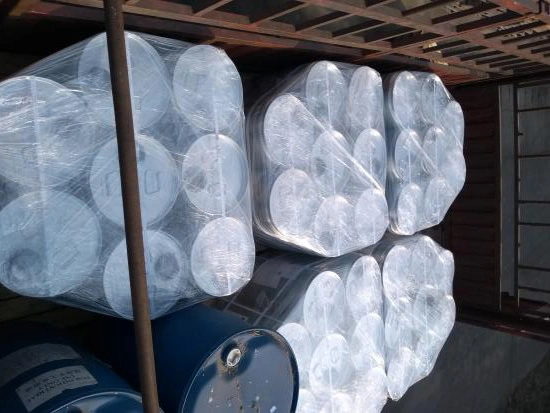
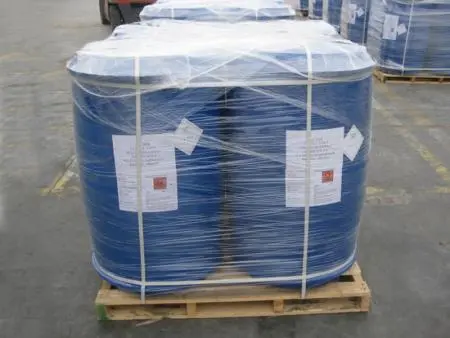
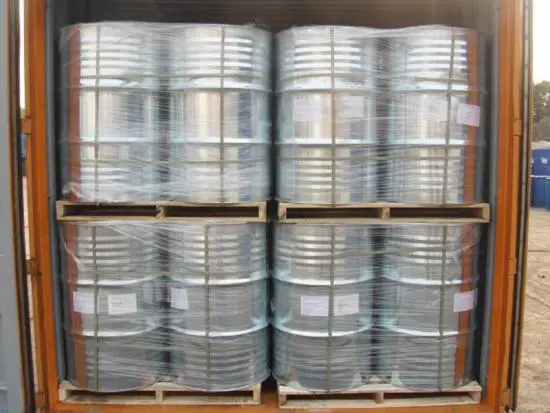
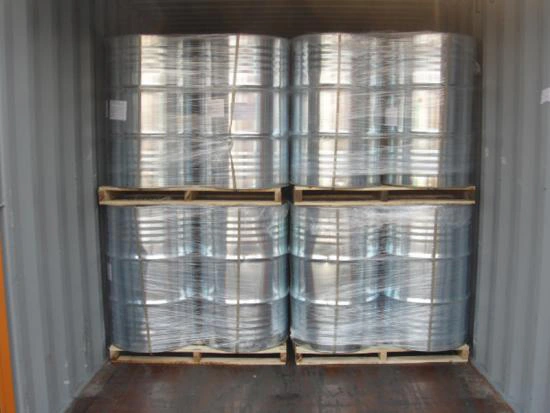
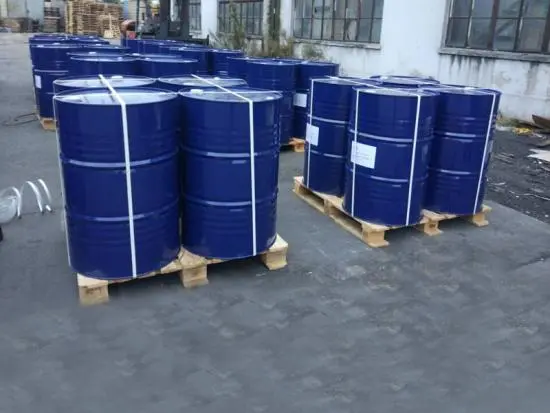
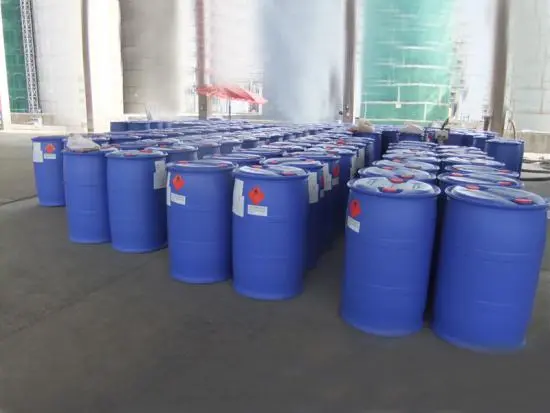
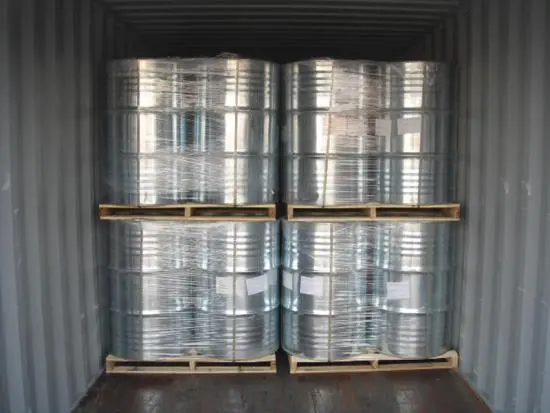
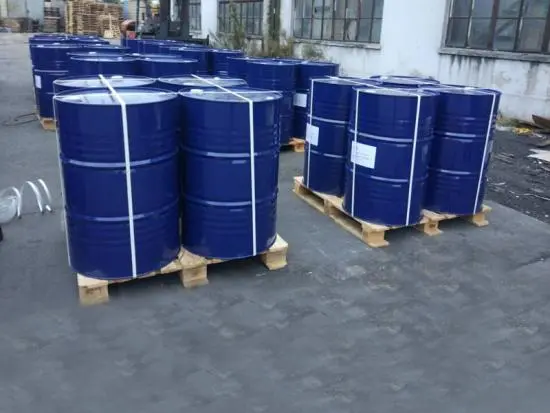
Store in sealed 200kg UN steel drums in a cool, dry, and ventilated area, away from heat sources and incompatible chemicals.
What is the chemical composition of MMT?
Typical composition includes 62% MMT content and 15.1% manganese by weight, with a freezing point below -18°C and flash point above 42°C.
Hot Tags: Methylcyclopentadienyl Manganese Tricarbonyl (MMT, CAS 12108-13-3)