
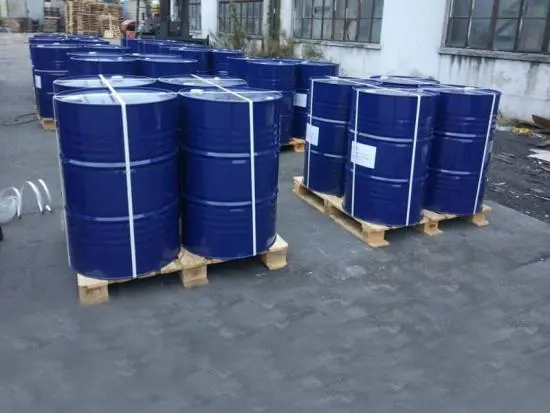
11070-44-3 Methyltetrahydrophthalic anhydride (MTHPA), identified by CAS No. 11070-44-3, is a highly effective curing agent used extensively in the epoxy resin industry. It appears as a light yellow liquid and is prized for its ability to enhance the physical and electrical properties of cured polymers. Supplied by AECOCHEM, this compound serves as a critical component in the manufacturing of electrical components, advanced composites, and high-performance adhesives.
Key Characteristics and Advantages
When used as a curing agent for epoxy resins, 11070-44-3 Methyltetrahydrophthalic anhydride (MTHPA) offers several distinct performance benefits:
-
Low Volatility: It exhibits low volatility during processing, ensuring a safer working environment and consistent mixture ratios.
-
Low Freezing Point: With a freezing point of -15°C (max), it remains in a liquid state under various storage conditions, facilitating easier handling and pumping.
-
Long-Term Stability: Epoxy systems cured with MTHPA demonstrate excellent long-term storage stability at room temperature.
-
Safety Profile: It is characterized by low toxicity relative to other anhydride curing agents.
Industrial Applications
11070-44-3 Methyltetrahydrophthalic anhydride (MTHPA)is widely utilized in the electrical and industrial sectors due to its superior insulating and mechanical properties.
-
Electrical Components: Essential for the impregnation, casting, and winding of motors, dry-type transformers, and appliances.
-
Capacitors: Used in the production of both appliance capacitors and high-voltage power capacitors.
-
Electronics: Serves as a key material for integrated circuits (IC) encapsulation and sealing.
-
Coatings & Adhesives: Applied in solvent-free paints, laminated boards, and high-strength epoxy adhesives.
Technical Specifications
|
Property
|
Details
|
|
Product Name
|
Methyltetrahydrophthalic Anhydride (MTHPA)
|
|
CAS Number
|
11070-44-3
|
|
Molecular Formula
|
C₉H₁₀O₃
|
|
Molecular Weight
|
166.18
|
|
Appearance
|
Light yellow liquid
|
|
Viscosity (25℃)
|
30-60 mPa.S
|
|
Anhydride Content
|
41.0% min
|
|
Freezing Point
|
-15°C max
|
|
Flash Point
|
157 °C
|
|
Standard Package
|
220kg/steel drum
|
Storage and Handling
To maintain the quality of 11070-44-3 Methyltetrahydrophthalic anhydride (MTHPA), proper storage conditions must be observed.
-
Environment: Store in a sealed, dry, and well-ventilated place.
-
Safety: Keep away from heat sources and open flames (Guard Against Fire) as the flash point is 157°C.
-
Moisture Control: As an anhydride, it is sensitive to moisture; containers should remain tightly closed to prevent hydrolysis.
FAQ: 11070-44-3 Methyltetrahydrophthalic Anhydride (MTHPA)
Below are answers to common technical and safety questions regarding 11070-44-3 Methyltetrahydrophthalic anhydride (MTHPA), designed to assist with safe handling and application understanding.
What is it used for?
11070-44-3 Methyltetrahydrophthalic anhydride (MTHPA) is primarily used as a high-performance curing agent for epoxy resins. Its key applications include:
-
Electrical Insulation: Essential for the casting, impregnation, and winding of motors, dry-type transformers, and power capacitors.
-
Electronics: Used in the encapsulation of integrated circuits (ICs) to provide mechanical strength and electrical insulation.
-
Industrial Coatings: Applied in solvent-free paints, laminated boards, and high-strength epoxy adhesives.
What are its properties?
MTHPA is characterized by specific physical properties that make it suitable for industrial processing.
-
Appearance: A light yellow liquid at room temperature.
-
Viscosity: Low viscosity (30-60 mPa.S at 25°C), ensuring good flow and wetting properties.
-
Freezing Point: Low freezing point (max -15°C), allowing for easier handling in cooler environments compared to other anhydrides.
-
Flash Point: 157°C, indicating moderate flammability.
What are the hazards?
While 11070-44-3 Methyltetrahydrophthalic anhydride (MTHPA) is considered to have low toxicity, it poses specific hazards that require management.
-
Sensitization: Like other acid anhydrides, it is a respiratory and skin sensitizer. Repeated exposure may cause allergic reactions or asthma-like symptoms.
-
Irritation: It causes severe skin burns and eye damage. Direct contact leads to irritation of the mucous membranes and upper respiratory tract.
-
Flammability: It is a combustible liquid; thermal decomposition can release irritating and toxic gases.
What to do in case of exposure?
Immediate action is required if exposure to MTHPA occurs.
-
Skin Contact: Immediately remove contaminated clothing and wash the affected area thoroughly with soap and water. Seek medical attention if irritation persists.
-
Eye Contact: Rinse cautiously with water for several minutes. Remove contact lenses if present and easy to do. Continue rinsing and consult a physician.
-
Inhalation: Move the individual to fresh air immediately. If breathing is difficult, administer oxygen and seek medical help.
What are its main isomers?
Commercial MTHPA is typically a mixture of isomers to optimize physical properties like melting point.
-
Primary Isomer: The main component is typically **4-Methyltetrahydrophthalic anhydride**.
-
Isomeric Mixture:** It often contains minor amounts of other methyl-substituted isomers (such as methyl-3-tetrahydrophthalic anhydride) to maintain the liquid state at room temperature.
Is it stable?
11070-44-3 Methyltetrahydrophthalic anhydride (MTHPA) is stable under recommended storage conditions.
-
Storage Stability: It offers long-term stability at room temperature when stored in a sealed container.
-
Reactivity: It reacts exothermically with water (hydrolysis) to form the corresponding acid. It also reacts vigorously with strong oxidizing agents and bases.
-
Moisture Sensitivity: It is hygroscopic; containers must be kept tightly sealed to prevent degradation from atmospheric moisture.
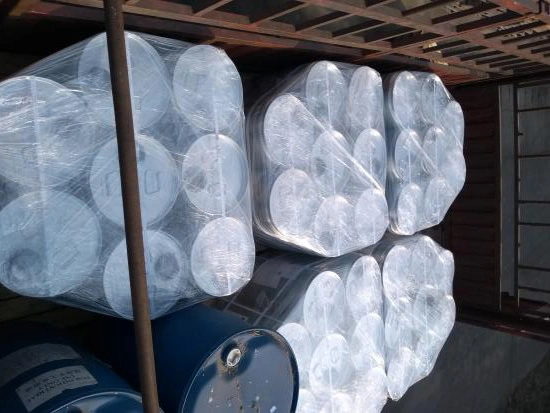
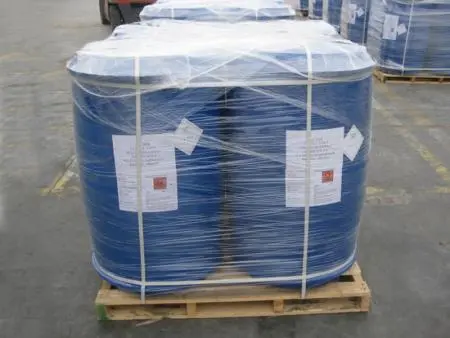
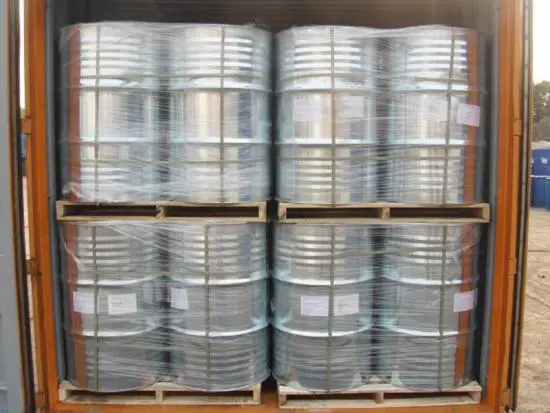
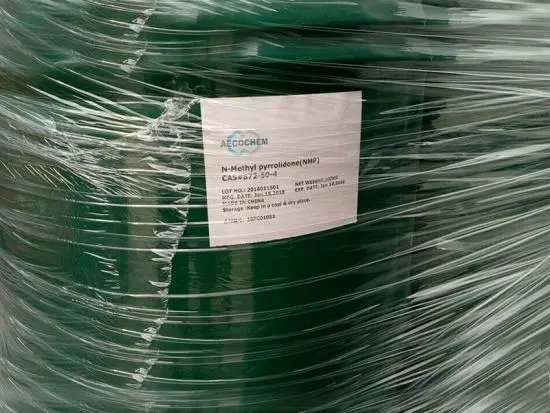
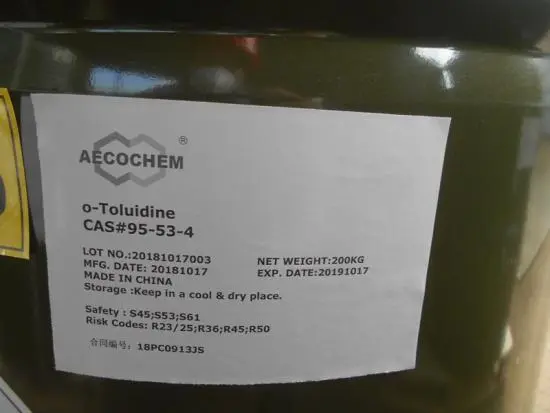
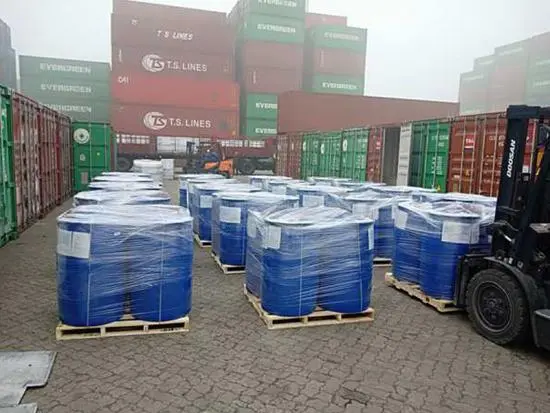
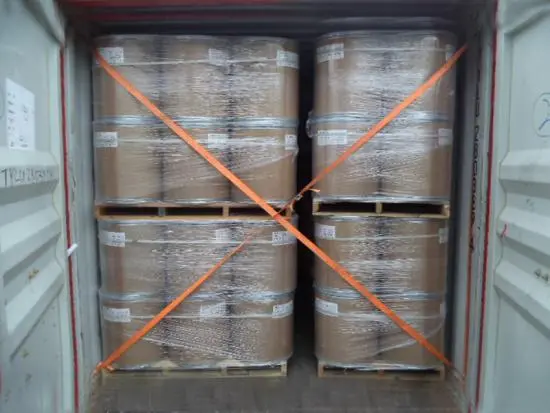
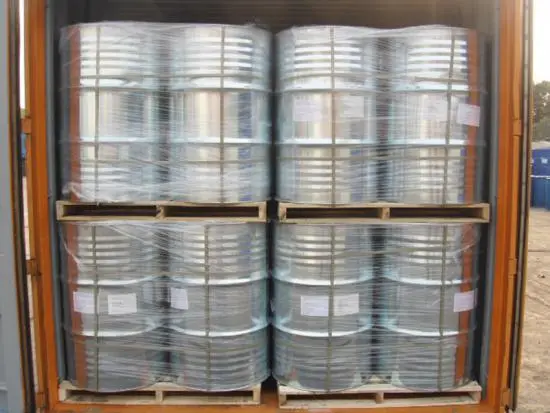
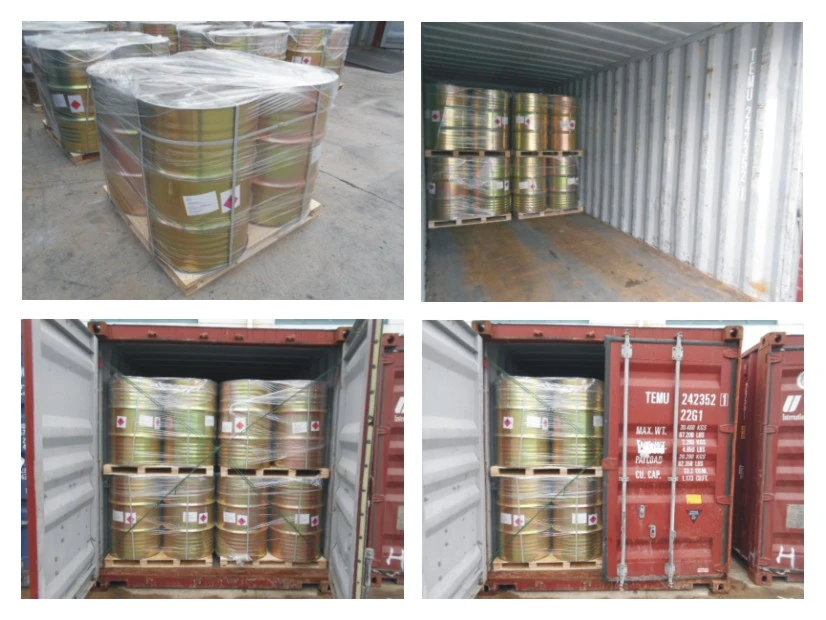
Some photos of shipment:
Hot Tags: 11070-44-3 Methyltetrahydrophthalic anhydride (MTHPA)