 English
 Español
  Português
  русский
  Français
  日本語
日本語  Deutsch
  tiếng Việt
  Italiano
  Nederlands
  ภาษาไทย
  Polski
  한국어
한국어  Svenska
  magyar
  Dansk
Dansk  Suomi
Suomi  العربية
  český
český  ελληνικά
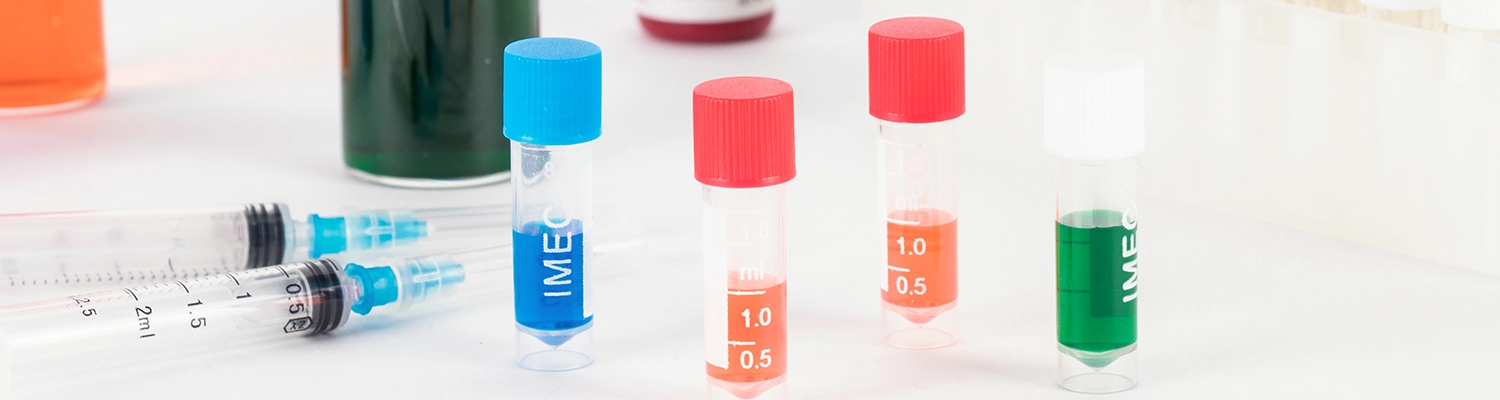
What Is Pyromellitic Dianhydride and Why Is It Important?
Pyromellitic Dianhydride (PMDA) is a key chemical intermediate widely used in high-performance polymers, electronic materials, and industrial applications. Known for its excellent thermal stability and chemical resistance, PMDA plays a crucial role in the production of polyimides and other specialty chemicals. Companies like Xiamen Aeco Chemical Industrial Co., Ltd. provide high-quality PMDA for diverse industrial needs, ensuring reliability and consistency in production processes.
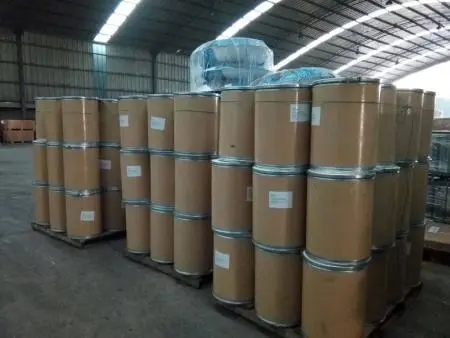
Article Summary
This comprehensive article explores Pyromellitic Dianhydride (PMDA) in depth. It covers its chemical properties, industrial applications, production techniques, safety considerations, and market relevance. Readers will gain a clear understanding of why PMDA is indispensable in industries such as electronics, aerospace, and specialty polymers.
Table of Contents
- What Are the Chemical Properties of Pyromellitic Dianhydride?
- Why Is Pyromellitic Dianhydride Used in Industrial Applications?
- How Is Pyromellitic Dianhydride Produced?
- What Are the Advantages of Using Pyromellitic Dianhydride?
- Which Safety Measures Are Necessary When Handling PMDA?
- FAQ About Pyromellitic Dianhydride
- Contact Xiamen Aeco Chemical Industrial Co., Ltd.
What Are the Chemical Properties of Pyromellitic Dianhydride?
Pyromellitic Dianhydride (PMDA) is an aromatic compound with the chemical formula C10H2O6. It is a white crystalline powder that is highly reactive and has a melting point of approximately 294°C. PMDA belongs to the class of anhydrides and is mainly used as a precursor for polyimides and other thermally stable polymers.
- Molecular Weight: 218.12 g/mol
- Appearance: White crystalline powder
- Melting Point: 294°C
- Solubility: Slightly soluble in organic solvents like acetone and chloroform
- Chemical Reactivity: Highly reactive towards amines to form polyimides
Why Is Pyromellitic Dianhydride Used in Industrial Applications?
PMDA is a key component in producing high-performance polymers, electronic materials, adhesives, and coatings. Its thermal stability makes it ideal for applications requiring heat resistance and chemical durability.
| Industry | Application | Benefits |
|---|---|---|
| Electronics | Polyimide films for flexible circuits | High thermal stability, insulation, and flexibility |
| Aerospace | Composite materials | Lightweight, durable, heat-resistant components |
| Adhesives & Coatings | Epoxy and polyimide adhesives | Strong bonding, chemical resistance |
| Research & Specialty Chemicals | Precursor for advanced polymers | Customizable polymer properties |
How Is Pyromellitic Dianhydride Produced?
The production of PMDA involves the oxidation of pyromellitic acid or related derivatives under controlled conditions. Industrial production requires strict temperature and pressure regulation to maintain high purity and crystallinity.
- Oxidation: Pyromellitic acid is oxidized using acetic anhydride or other dehydrating agents.
- Crystallization: PMDA crystallizes from the reaction mixture, forming pure white crystals.
- Purification: The crystals are filtered, washed, and dried to achieve high-purity PMDA suitable for industrial use.
Companies like Xiamen Aeco Chemical Industrial Co., Ltd. specialize in providing PMDA with high purity standards for reliable industrial applications.
What Are the Advantages of Using Pyromellitic Dianhydride?
Using PMDA in industrial applications offers numerous advantages:
- Excellent thermal stability up to 500°C
- High chemical resistance against acids and solvents
- Versatile polymer precursor for polyimides and high-performance materials
- Enables lightweight and durable components in aerospace and electronics
- Supports customization in adhesives and coatings for specific industrial needs
Which Safety Measures Are Necessary When Handling PMDA?
Although PMDA is essential in industry, it requires careful handling due to its reactive nature. Safety measures include:
- Wearing protective gloves, goggles, and respirators
- Ensuring proper ventilation in work areas
- Avoiding direct contact with skin and eyes
- Storing in tightly sealed containers away from moisture and heat sources
- Following local chemical handling regulations and MSDS guidelines
FAQ About Pyromellitic Dianhydride
Q1: What industries benefit most from PMDA?
A1: PMDA is widely used in electronics, aerospace, adhesives, coatings, and specialty polymers. Its thermal stability and chemical resistance make it ideal for high-performance applications.
Q2: How does PMDA contribute to polyimide production?
A2: PMDA reacts with diamines to form polyimides, which are thermally stable polymers used in flexible circuits, coatings, and high-performance composite materials.
Q3: Is PMDA safe to handle?
A3: PMDA is safe if handled with appropriate protective equipment and procedures. It is reactive and requires gloves, goggles, and proper ventilation.
Q4: Can PMDA be customized for specific applications?
A4: Yes. PMDA’s chemical reactivity allows manufacturers to produce polymers with specific mechanical, thermal, and chemical properties to meet industry requirements.
Q5: Where can I source high-quality PMDA?
A5: High-quality PMDA can be sourced from reputable suppliers such as Xiamen Aeco Chemical Industrial Co., Ltd., ensuring purity, consistency, and compliance with industrial standards.
Contact Xiamen Aeco Chemical Industrial Co., Ltd.
If you are looking for high-purity Pyromellitic Dianhydride (PMDA) for your industrial or research applications, Xiamen Aeco Chemical Industrial Co., Ltd. offers reliable products and exceptional customer support. Contact us today to discuss your requirements and request a quote. Partner with us for quality, consistency, and performance in chemical supply.
Send Inquiry


X
We use cookies to offer you a better browsing experience, analyze site traffic and personalize content. By using this site, you agree to our use of cookies.
Privacy Policy