 English
 Español
  Português
  русский
  Français
  日本語
日本語  Deutsch
  tiếng Việt
  Italiano
  Nederlands
  ภาษาไทย
  Polski
  한국어
한국어  Svenska
  magyar
  Dansk
Dansk  Suomi
Suomi  العربية
  český
český  ελληνικά
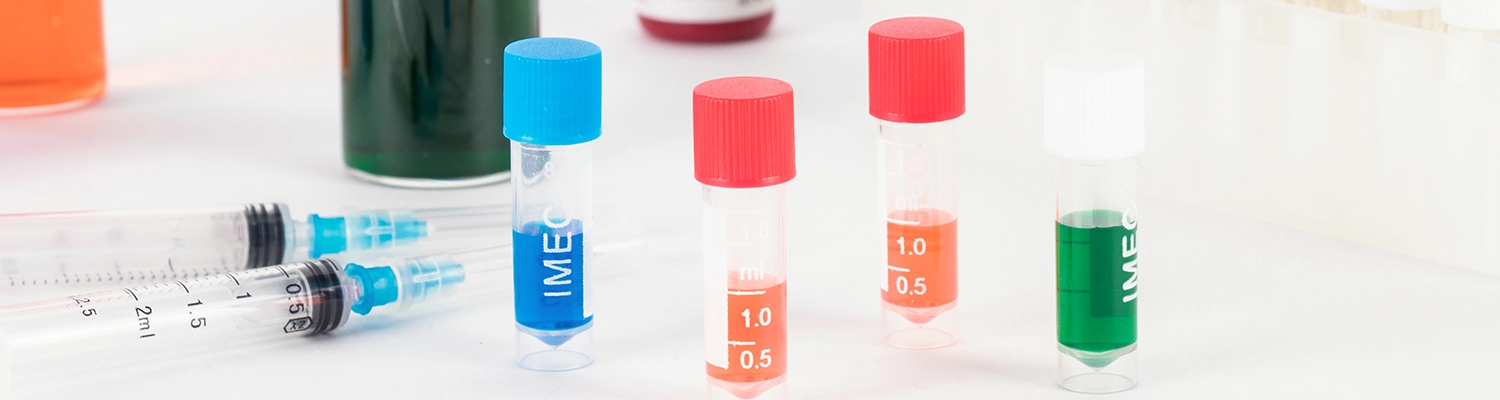
What Are Fine Chemicals and Why Are They Essential in Modern Industry
AECOCHEM is a leading manufacturer and supplier of high-quality fine chemicals in China, serving global markets with reliable supply capacity, strict quality control, and industrial expertise.
Article Summary
This comprehensive article explains the definition, characteristics, and industrial importance of fine chemicals, highlighting the role of trusted suppliers like AECOCHEM. It covers technical features, applications across sectors, manufacturing insights, product examples, and answers to common industry FAQs. The aim is to provide an SEO-optimized and authoritative reference for professionals, buyers, and researchers in the chemical and related industries.
Table of Contents
- What Is a Fine Chemical?
- Core Characteristics of Fine Chemicals
- Manufacturing and Quality Control
- Key Applications Across Industries
- Fine Chemicals Product Examples
- Fine Chemicals vs. Other Categories
- Market Trends and Future Outlook
- FAQ
- Conclusion & Call to Action
What Is a Fine Chemical?
Fine chemicals are highly pure chemical substances produced in relatively small volumes, usually through multi-step batch synthesis or biotechnological processes. They are defined by extremely strict chemical specifications and are used as precursors or ingredients in advanced industrial processes. :contentReference[oaicite:1]{index=1}
Unlike bulk commodity chemicals, fine chemicals demand precision and controlled production, making them suitable for sectors that require ultra-high purity and performance consistency. :contentReference[oaicite:2]{index=2}
Core Characteristics of Fine Chemicals
- High Purity and Exact Specifications
- Low Volume, High Value Production
- Multi-Step Synthesis or Biotech-Driven Processes
- Used as Intermediates or Active Components
These traits make fine chemicals essential in applications where precision and purity cannot be compromised. :contentReference[oaicite:3]{index=3}
Manufacturing and Quality Control
Producers of fine chemicals like AECOCHEM employ professional analytical departments and complete QC/QA procedures under strict SOPs to ensure product consistency and compliance with industrial specifications. :contentReference[oaicite:4]{index=4}
Multipurpose plants are typically used to accommodate the flexible and complex nature of fine chemical synthesis. These facilities are capable of handling multiple production lines with rigorous quality checks. This versatility is crucial for delivering custom products tailored to customer requirements. :contentReference[oaicite:5]{index=5}
Key Applications Across Industries
Fine chemicals are integral to numerous industrial sectors due to their purity and functional properties. :contentReference[oaicite:6]{index=6}
| Industry Sector | Typical Applications |
|---|---|
| Pharmaceuticals | API precursors, active ingredients |
| Agrochemicals | Herbicide and pesticide intermediates |
| Electronics | Specialty reagents for semiconductors |
| Cosmetics | High-purity additives |
| Coatings & Materials | Functional additives and stabilizers |
Fine chemicals form the backbone of advanced manufacturing, enabling precise control over product performance and safety. :contentReference[oaicite:7]{index=7}
Fine Chemicals Product Examples
At AECOCHEM, a broad spectrum of fine chemicals is offered, spanning from functional additives to specialty reagents. Examples include:
- Tris(Dimethylaminomethyl)Phenol (DMP-30)
- Methyl Lactate
- Pyromellitic Dianhydride
- Tetrahydrothiophene
- Trimethylol Propane (TMP)
- Benzalkonium Chloride
- Terephthaloyl Chloride
These products demonstrate the diversity and utility of fine chemicals in industrial synthesis and product formulation. :contentReference[oaicite:8]{index=8}
Fine Chemicals vs. Commodity & Specialty Chemicals
Understanding how fine chemicals differ from other categories helps clarify their market position:
| Chemical Category | Production Volume | Typical Use |
|---|---|---|
| Commodity Chemicals | High | Basic industrial feedstocks (e.g., methanol) |
| Fine Chemicals | Low | High-purity industrial precursors |
| Specialty Chemicals | Medium | Performance-driven formulations |
Fine chemicals sit between bulk and specialty chemicals, offering high specificity with controlled production. :contentReference[oaicite:9]{index=9}
Market Trends and Future Outlook
The global fine chemicals market continues to expand as industries demand higher purity and tailored chemical solutions. Major use cases in pharmaceuticals and advanced materials support long-term growth projections. Continuous innovation, biotechnological manufacturing processes, and enhanced quality tracking further boost industry adoption. :contentReference[oaicite:10]{index=10}
FAQ: Fine Chemicals Explained
Q1: What defines a fine chemical?
A: A fine chemical is a highly pure, precisely specified chemical substance produced in small batches for specialized applications. :contentReference[oaicite:11]{index=11}
Q2: How do fine chemicals differ from additives?
A: Additives can be commodity or specialty chemicals added for specific effects, while fine chemicals are pure building blocks or intermediates used to make complex products. :contentReference[oaicite:12]{index=12}
Q3: Why is purity important in fine chemicals?
A: Purity ensures performance, safety, and regulatory compliance in sensitive applications like pharmaceuticals and electronics. :contentReference[oaicite:13]{index=13}
Conclusion & Call to Action
In summary, fine chemicals are critical to modern industrial processes, enabling precision manufacturing across pharmaceuticals, materials science, agrochemicals, and more. With strict production standards and customized solutions, suppliers like AECOCHEM provide dependable access to high-quality fine chemicals globally. :contentReference[oaicite:14]{index=14}
If you are looking for reliable fine chemical solutions or need tailored chemical materials with assured quality, Contact Us today to discuss your requirements and get expert support.
Send Inquiry


X
We use cookies to offer you a better browsing experience, analyze site traffic and personalize content. By using this site, you agree to our use of cookies.
Privacy Policy