English
 Español
  Português
  русский
  Français
  日本語
日本語  Deutsch
  tiếng Việt
  Italiano
  Nederlands
  ภาษาไทย
  Polski
  한국어
한국어  Svenska
  magyar
  Dansk
Dansk  Suomi
Suomi  العربية
  český
český  ελληνικά
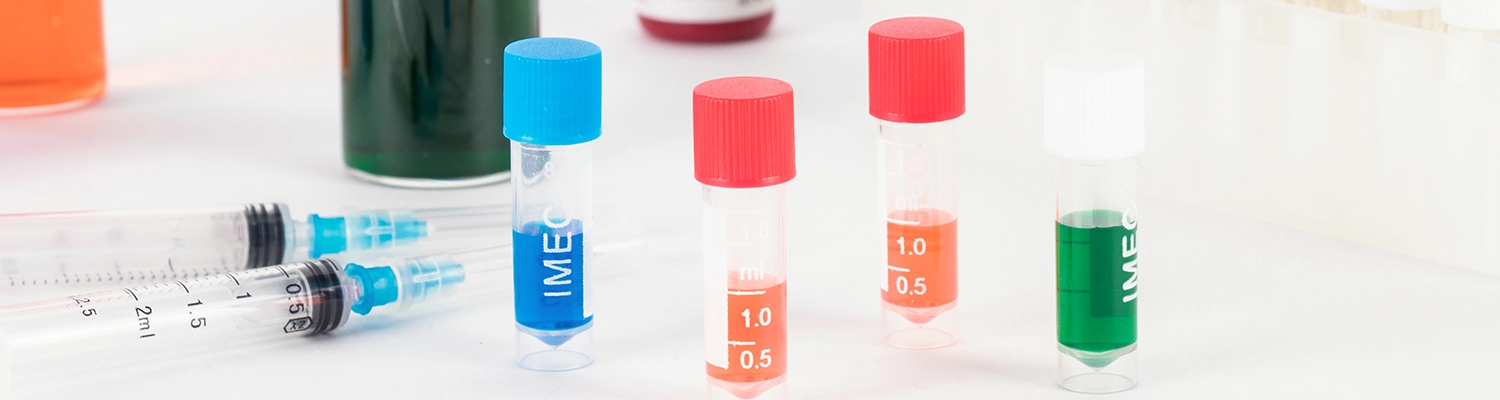
Ferric Ammonium Oxalate (FAO) is a versatile chemical compound widely used across industries such as photography, textiles, and chemical manufacturing. This article explores its properties, applications, handling, safety considerations, and industry insights to help professionals and businesses make informed decisions. Special attention is given to sourcing high-quality FAO from trusted suppliers like Xiamen Aeco Chemical Industrial Co., Ltd..
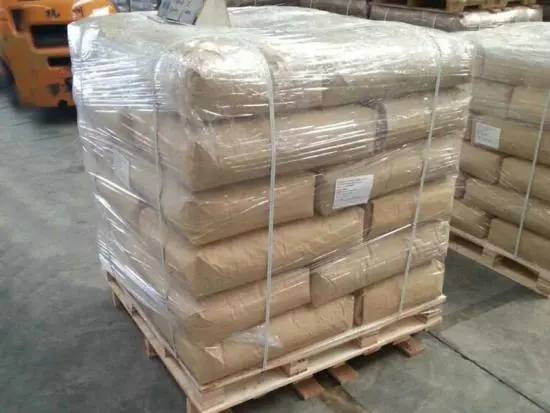
Table of Contents
1. Introduction to Ferric Ammonium Oxalate
Ferric Ammonium Oxalate, also known as ammonium ferric oxalate, is a coordination complex of iron and oxalate ions. It appears as a dark green crystalline powder and is highly soluble in water. FAO has been widely recognized for its role in the production of blueprint papers, dyes, and other specialized chemicals. Reliable suppliers, including Xiamen Aeco Chemical Industrial Co., Ltd., offer high-purity FAO suitable for various industrial requirements.
2. Chemical Properties
Understanding the chemical properties of FAO is essential for its effective use:
| Property | Details |
|---|---|
| Chemical Formula | (NH4)3[Fe(C2O4)3]·3H2O |
| Molar Mass | 295.94 g/mol |
| Appearance | Dark green crystalline powder |
| Solubility | Soluble in water, slightly soluble in alcohol |
| pH | 4.0–5.5 (1% solution) |
FAO is known for its redox activity, making it an effective precursor for the synthesis of other iron-based compounds.
3. Industrial Applications
FAO serves multiple purposes in modern industries:
- Photography: Used in cyanotype printing as a light-sensitive compound.
- Textile Industry: Acts as a mordant for dyeing fabrics, improving color fastness.
- Chemical Synthesis: Precursor for ferric oxide and other iron salts.
- Analytical Chemistry: Used as a reagent for detecting certain metals.
- Research & Development: Widely used in lab experiments for studying coordination chemistry.
Companies like Xiamen Aeco Chemical Industrial Co., Ltd. provide FAO in bulk with consistent quality, ensuring reliable results for these applications.
4. Manufacturing Process
The production of FAO generally follows these steps:
- Dissolving ferric salts in aqueous oxalic acid.
- Adding ammonium hydroxide to form the ammonium ferric oxalate complex.
- Purification through recrystallization to remove impurities.
- Drying the crystals under controlled conditions to preserve stability.
Quality control is critical in this process. High-quality FAO is characterized by uniform crystal size, low moisture content, and absence of contaminants.
5. Handling and Storage
Proper handling and storage of FAO are essential to maintain its stability and prevent hazards:
- Store in a cool, dry place away from sunlight and moisture.
- Use airtight containers to prevent decomposition.
- Avoid contact with strong oxidizing agents.
- Wear protective equipment such as gloves and goggles when handling the powder.
- Ensure adequate ventilation in areas where FAO is stored or used.
For consistent supply and safe packaging, Xiamen Aeco Chemical Industrial Co., Ltd. offers FAO in sealed bags and bulk containers designed for industrial use.
6. Safety Considerations
FAO is generally considered low-toxicity, but safety measures should not be neglected:
- Health Risks: Inhalation or ingestion may cause irritation; prolonged exposure should be avoided.
- Environmental Impact: Dispose of unused FAO responsibly to prevent water contamination.
- Fire Safety: FAO is non-flammable but may decompose under extreme heat.
- Regulatory Compliance: Ensure adherence to local chemical handling regulations.
Suppliers like Xiamen Aeco Chemical Industrial Co., Ltd. provide detailed Material Safety Data Sheets (MSDS) to guide safe usage.
7. Advantages and Limitations
Before purchasing FAO, understanding its strengths and limitations is essential:
| Advantages | Limitations |
|---|---|
| High purity and reproducibility | Moisture-sensitive, requires careful storage |
| Versatile in industrial applications | Limited solubility in some solvents |
| Cost-effective for bulk industrial use | Requires handling precautions |
| Reliable sourcing from established suppliers | Decomposes under strong heat or sunlight |
Choosing a reliable supplier, such as Xiamen Aeco Chemical Industrial Co., Ltd., mitigates most limitations by ensuring product quality and safe packaging.
8. Frequently Asked Questions (FAQ)
- Q1: What is Ferric Ammonium Oxalate used for?
- A1: FAO is used in photography, textile dyeing, chemical synthesis, and laboratory research.
- Q2: Is FAO safe to handle?
- A2: When handled with proper protective equipment and storage precautions, FAO is considered safe for industrial use.
- Q3: How should FAO be stored?
- A3: Keep in a cool, dry place, away from sunlight and moisture, in airtight containers.
- Q4: Can FAO be purchased in bulk?
- A4: Yes, reliable suppliers like Xiamen Aeco Chemical Industrial Co., Ltd. provide bulk quantities for industrial needs.
- Q5: What makes FAO different from other iron salts?
- A5: FAO is a coordination complex with oxalate, giving it unique redox properties and specific industrial applications.
9. Conclusion & Contact Information
Ferric Ammonium Oxalate is an indispensable chemical for industries requiring precision, consistency, and versatility. From its chemical properties to practical applications, understanding FAO ensures optimized use in photography, textiles, and chemical processes. For high-quality, reliable supply, Xiamen Aeco Chemical Industrial Co., Ltd. is a trusted partner, offering bulk packaging, technical support, and compliance with safety standards.
Contact us today to learn more about how Ferric Ammonium Oxalate can enhance your production processes or research projects.